
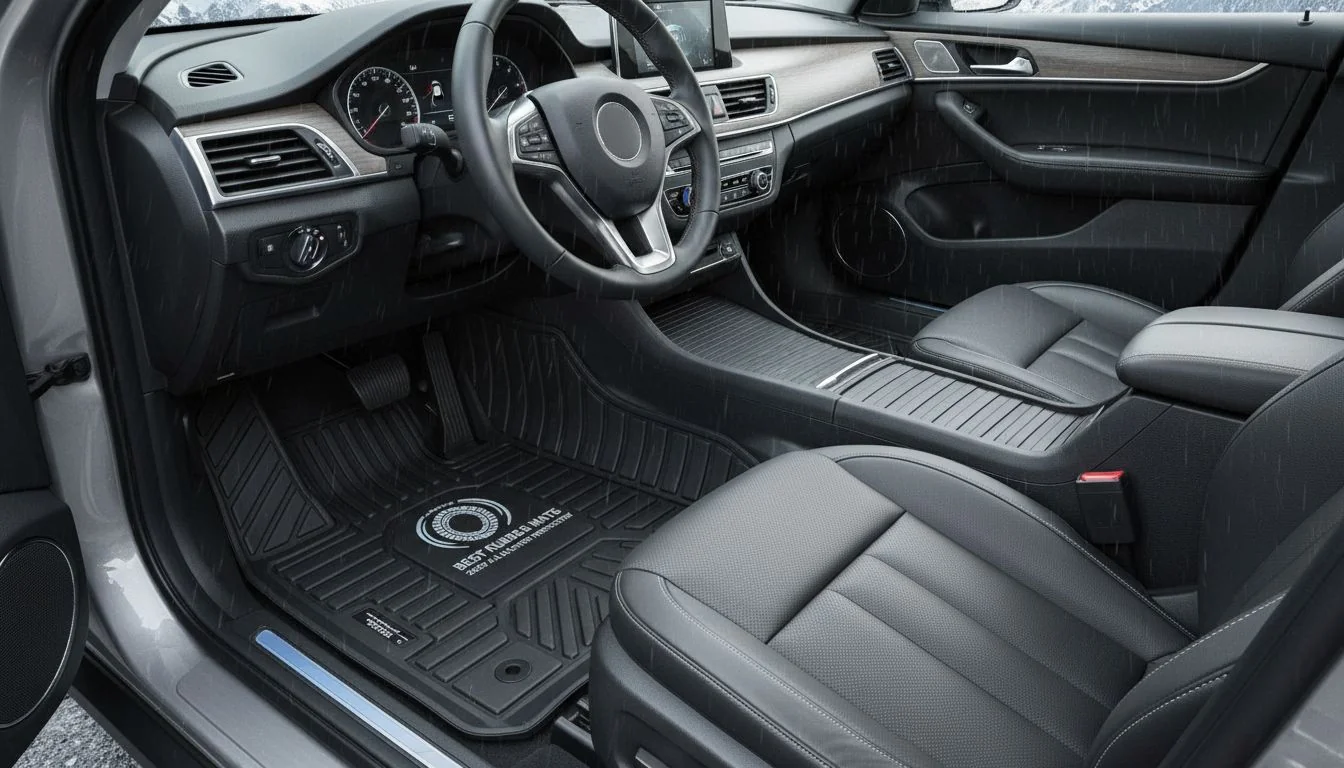
Dirty car interiors ruin resale value and look unprofessional. You scrub and vacuum, but the mud and salt stains remain. You need a heavy-duty solution that actually works.
The best floor mats in 2025 combine advanced 3D scanning technology with durable TPE materials[^1]. Top choices include WeatherTech and Husky Liners for their precise fit. However, for designers and businesses, the real opportunity lies in custom molding these products using high-quality Chinese manufacturing for bulk orders.
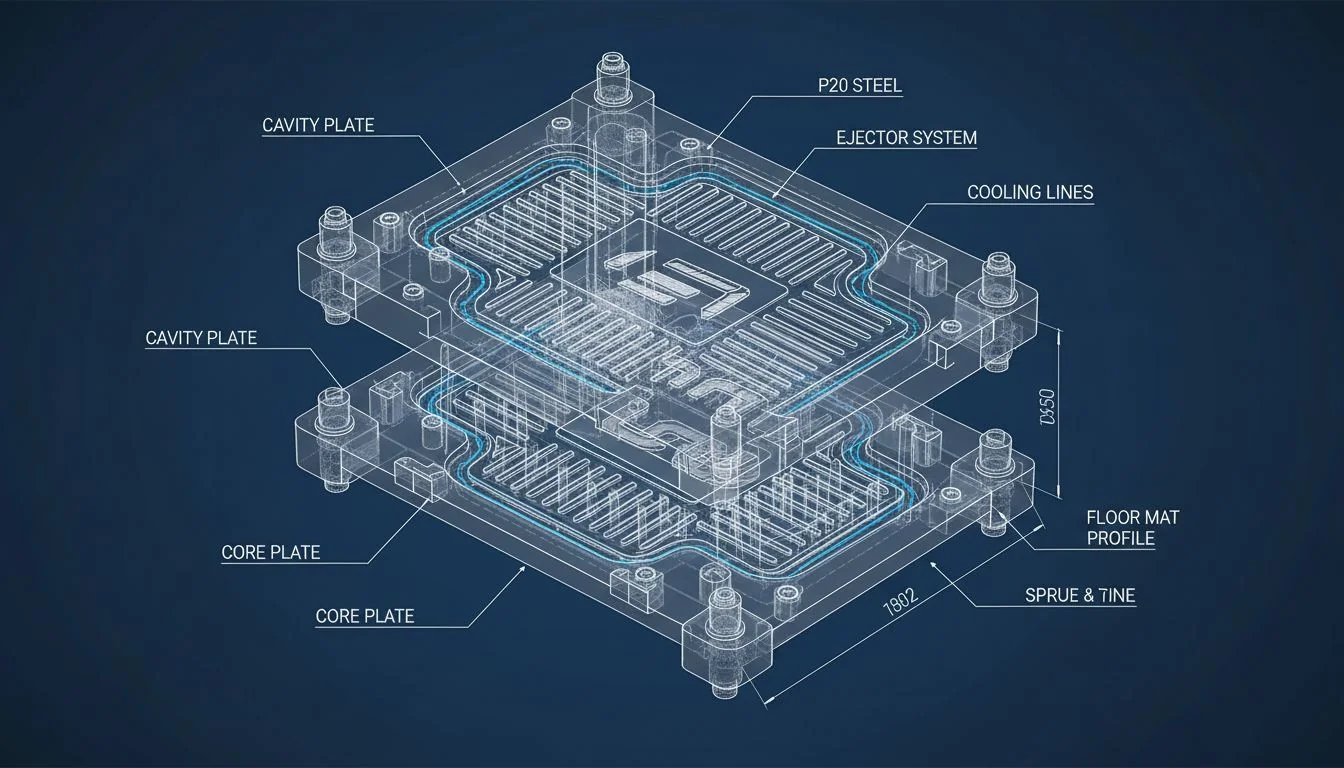
I have spent years in the mold industry. I have seen products fail because of poor material choice or bad design. A floor mat seems simple. But for a designer like you, it is a complex challenge of geometry and material science. We will look at the market leaders. Then, we will discuss the engineering behind them. Finally, I will share how to source these molds effectively.
TPE material is heavier than traditional rubber.False
TPE (Thermoplastic Elastomer) is generally lighter than traditional vulcanized rubber while offering similar durability.
3D scanning ensures a 100% perfect fit for every vehicle.True
Laser scanning the vehicle footwell creates a digital point cloud, allowing engineers to design mats that match the exact contours of the floor.
Which Brands Dominate the Heavy Duty Floor Mat Market?
Cheap universal mats slide around and get stuck under pedals. This is dangerous and annoying. You want a mat that locks in place and protects every inch.
WeatherTech, Husky Liners, and 3D MAXpider are the market leaders this year. They dominate because they use laser measurements for a custom fit. They utilize injection molding[^2] or thermoforming to create high walls that trap fluids, keeping the carpet underneath completely dry.
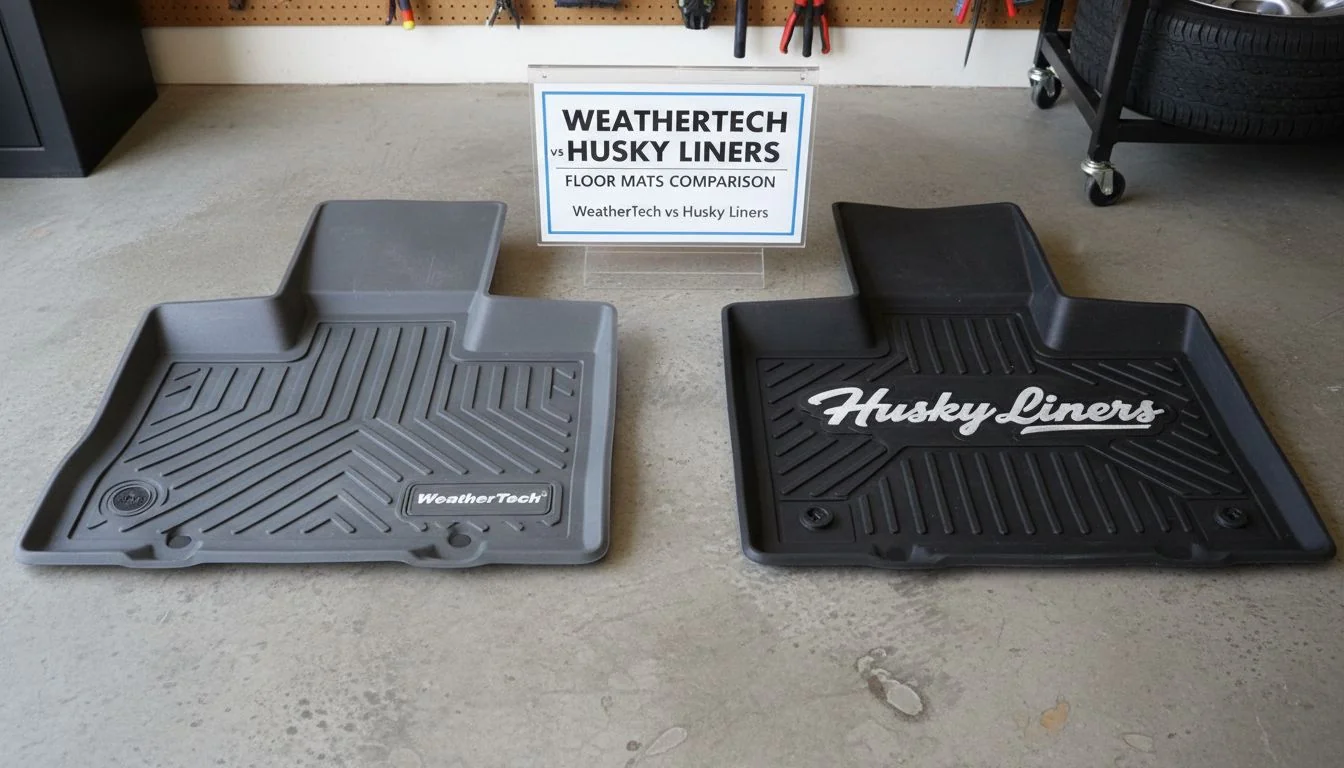
Let us look at this from a product design perspective. These brands do not just sell rubber sheets. They sell engineering. WeatherTech[^3] is famous for its "DigitalFit" system. They use laser scanning to map the footwell. This creates a complex 3D surface in the CAD software. As a designer, you know this eliminates trial and error.
Husky Liners[^4] takes a different approach. They use a material called "Elastomeric." It is tough and resists chemicals like gas and oil. Their design features "Stay-Put Cleats" on the bottom. These are small spikes. In the mold design, these require specific texturing or inserts in the cavity side of the tool.
3D MAXpider uses a three-layer structure. The top is thermoplastic rubber. The middle is XPE foam. The bottom is a gripping layer. This requires a different manufacturing process, often involving lamination before final forming.
Here is a breakdown of their design philosophy:
| Brand | Material Focus | Design Feature | Manufacturing Method |
|---|---|---|---|
| WeatherTech | High-Density TPO | Rigid Core, High Walls | thermoforming[^5] / Injection |
| Husky Liners | Elastomeric TPE | Soft Feel, Cleats | Injection Molding |
| 3D MAXpider | Multi-layer | Carbon Fiber Texture | Hot Pressing / Lamination |
For a mold designer, the challenge is the "high wall" or deep dish design. You must calculate the draft angles carefully. If the wall is too vertical, the part will stick in the mold. You also need to account for shrinkage. TPO shrinks differently than TPE. These brands succeed because they mastered these variables.
WeatherTech mats are manufactured in Germany.False
WeatherTech is well-known for manufacturing its products in the United States.
Injection molding allows for more complex geometries than thermoforming.True
Injection molding fills a cavity with molten material, allowing for variable wall thickness and complex details like cleats, whereas thermoforming stretches a sheet over a mold.
Why Should You Choose TPE Over Traditional Rubber for Mold Design?
Old rubber mats smell like chemicals and crack in the cold. Customers hate that "tire shop" odor in a new car. You need a material that is strong, odorless, and easy to mold.
Thermoplastic Elastomers (TPE) and Thermoplastic Olefins (TPO) are the superior choices for modern mats. They offer the flexibility of rubber but process like plastic. This allows for faster cycle times in production, lower weight, and full recyclability, which is a key selling point today.
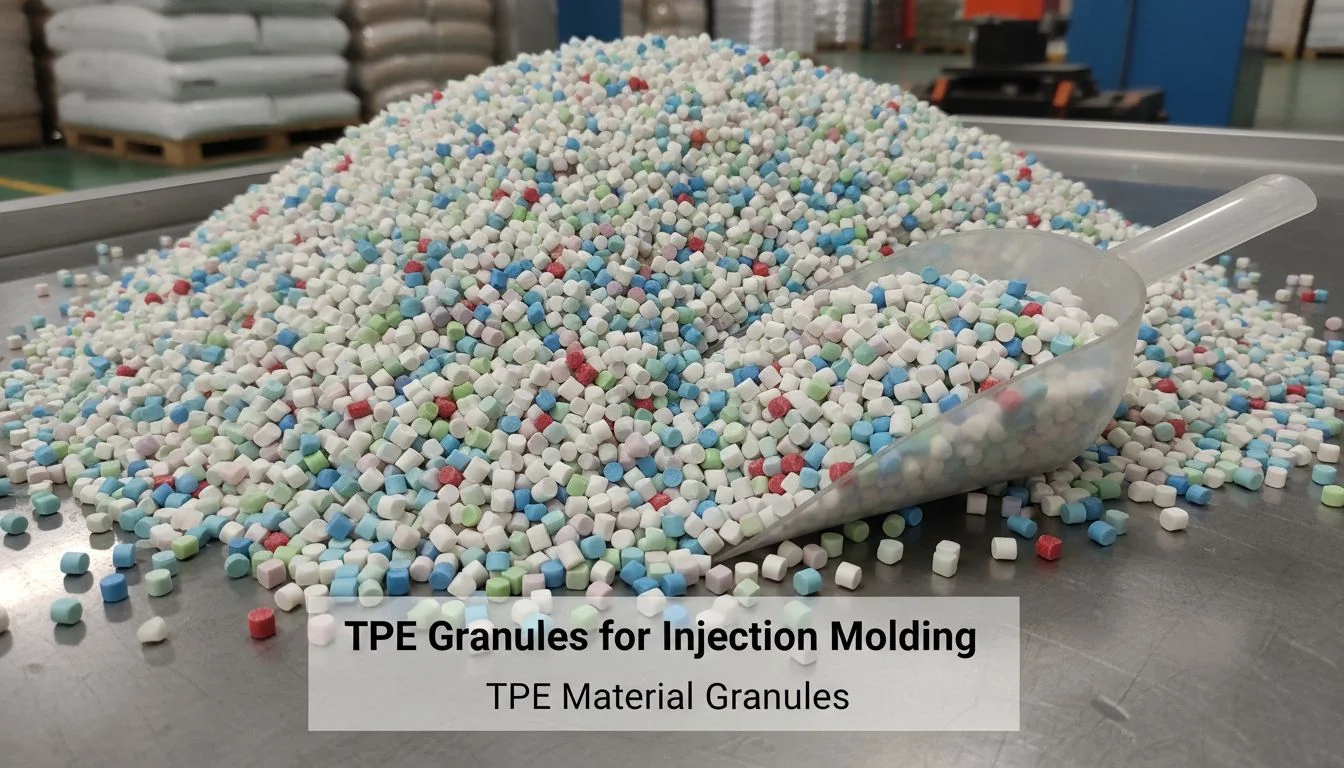
I remember when we switched a client from vulcanized rubber to TPE. The difference was night and day. For you as a designer, TPE changes how you build the mold. Traditional rubber requires a compression mold. It is slow. It involves heating the rubber until it cures. TPE uses standard injection molding. You melt it, shoot it, and cool it.
The cycle time drops from minutes to seconds. This is huge for mass production. But TPE has its own quirks. You must manage the flow lines. Floor mats are large, flat parts. If the gate location is wrong, you get ugly weld lines right in the middle of the visible surface.
We usually use a hot runner system for these molds. It keeps the plastic hot until it reaches the cavity. This reduces waste. Also, consider the texture. A polished mold makes the mat slippery when wet. That is a safety hazard. You need to apply a texture to the mold steel. We often use chemical etching to create a "grain" that looks like leather or rugged tire tread.
Another benefit is weight. TPE is much lighter than rubber. In the automotive industry, every gram counts for fuel economy. By designing with TPE, you help the car manufacturer meet their weight targets. It is a win-win.
TPE materials are fully recyclable.True
Unlike vulcanized rubber, which is a thermoset material, TPEs can be remelted and reformed, making them recyclable.
Compression molding is faster than injection molding.False
Injection molding is significantly faster because it does not require the long curing times associated with compression molding of rubber.
How Can You Source Custom Molded Mats Directly from China?
Building molds in North America is incredibly expensive. The steel costs and labor rates can kill your project before it starts. You need a way to get high-quality tooling without breaking the bank.
Sourcing custom molds and bulk orders from China[^6] is the standard for the industry. Manufacturers in hubs like Dongguan offer full-service solutions. They handle everything from the initial 3D design review to the final mass production, often at 40% to 50% of the cost of Western suppliers.
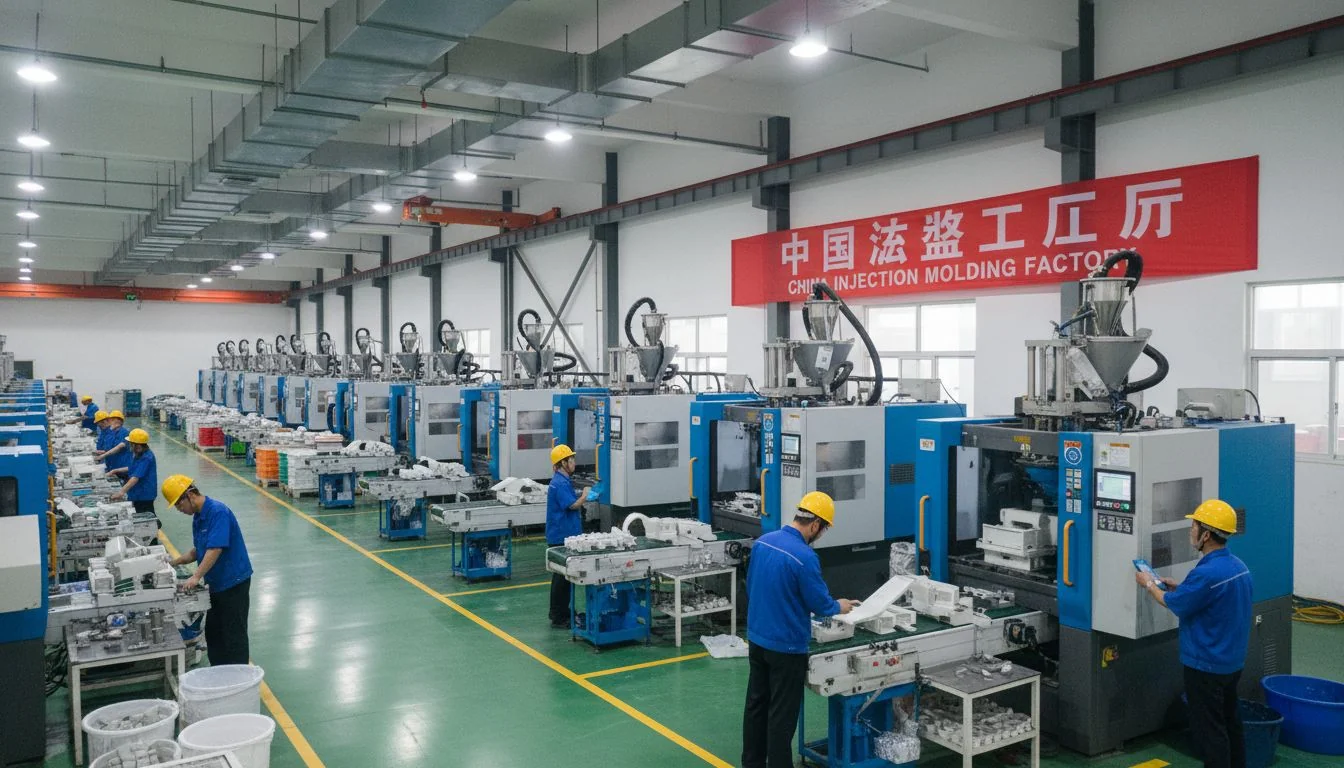
I built my business by bridging the gap between Western design and Chinese manufacturing. For a designer like Jacky, the process is straightforward. You send your 3D CAD files (usually STEP or IGES format). The factory engineers will run a DFM (Design for Manufacturing) analysis.
They will check your draft angles. They will look for potential sink marks. They will suggest gate locations. This collaboration is vital. Do not just send a file and wait. Talk to them.
When selecting a supplier for floor mats, look for experience with "large part molding." These molds are big. They require machines with high clamping force, often 800 tons or more. Not every shop has these machines.
You also need to specify the mold steel. For high-volume production, we use P20 or 718H steel. It is durable. If you only need a small batch, you can use softer steel to save money.
Here is a checklist for bulk ordering:
- Sample Verification: Always ask for T1 samples. Test them in the actual vehicle. Check the fit.
- Texture Approval: Ask for a texture plaque before they etch the whole mold.
- material certification[^7]: Ensure they use the specific TPE grade you requested, not a cheap filler.
Shipping is the final piece. Floor mats are bulky. They take up a lot of space in a container. You must calculate the "nesting" of the parts. Good design allows the mats to stack tightly. This saves thousands of dollars in shipping costs.
P20 steel is suitable for high-volume production molds.True
P20 is a pre-hardened tool steel widely used for injection molds, offering a good balance of toughness and wear resistance for medium to high production runs.
Shipping costs are irrelevant for floor mats.False
Floor mats are voluminous but lightweight. Poor nesting design leads to shipping 'air,' which significantly increases the landed cost per unit.
מסקנא
The best mats in 2025 use TPE materials and precise 3D design. For professionals, success comes from understanding the molding process and sourcing intelligently from experienced manufacturers.
References
[^1]: Explore the advantages of TPE materials, including durability, recyclability, and weight savings for automotive applications.
[^2]: Understand the injection molding process and its significance in creating high-quality, complex car floor mats.
[^3]: Explore the standout features of WeatherTech floor mats, known for their precision fit and advanced design.
[^4]: Find out why Husky Liners are favored for their durability and innovative design features in the automotive market.
[^5]: Discover the differences between thermoforming and injection molding in the context of car floor mat production.
[^6]: Learn the process of sourcing cost-effective bulk orders for car floor mats from Chinese manufacturers.
[^7]: Learn about the significance of material certification in ensuring quality and compliance in automotive products.