
Featured image:
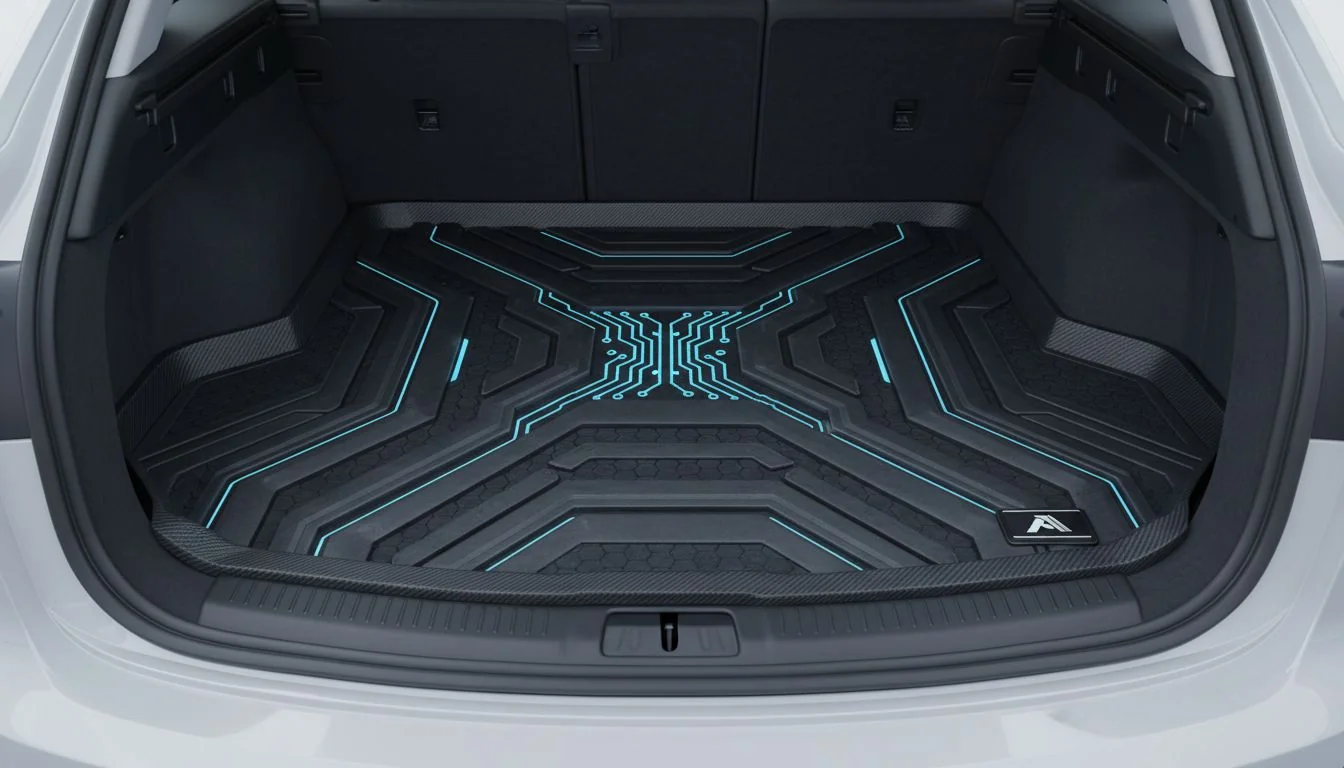
Designing automotive accessories is tough. You worry about material costs[^1] and mold durability every day. I have the solution for you to master this product niche.
A car trunk mat is a protective liner molded from TPE[^2], TPO, or rubber. It shields the vehicle's cargo area from dirt and spills. For designers, success lies in selecting the right thermoplastic elastomer and mastering the injection or thermoforming process for precise fitment.
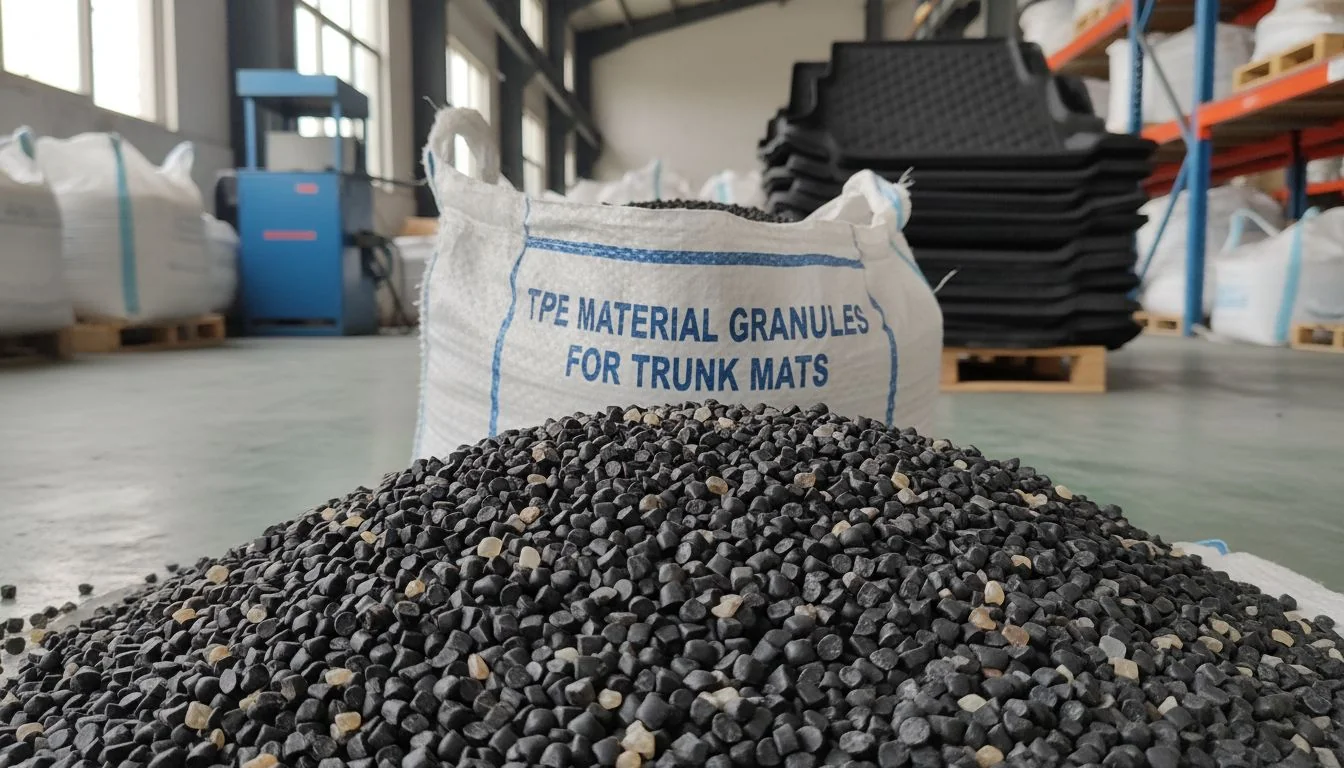
I remember my early days at the mold factory. We struggled with large surface parts like mats. It was hard to keep them flat. But we learned from our mistakes. Now, I want to show you how to master this. Read on to learn the details.
All trunk mats are made from heavy rubber.False
Modern mats often use TPE or TPO, which are lighter and odorless.
3D scanning is required for a perfect fit.True
Designers use 3D scanners to map the trunk floor exactly before making the mold.
What Exactly Is a Modern Car Trunk Mat?
You see them everywhere. But do you know the engineering behind the textured surface? Let's look closer at the materials and methods.
It is a molded automotive accessory designed to fit specific vehicle contours. Unlike flat carpets, modern mats use 3D scanning[^3] and materials like TPE to create raised edges. This design traps liquid and protects the original upholstery from wear and tear.
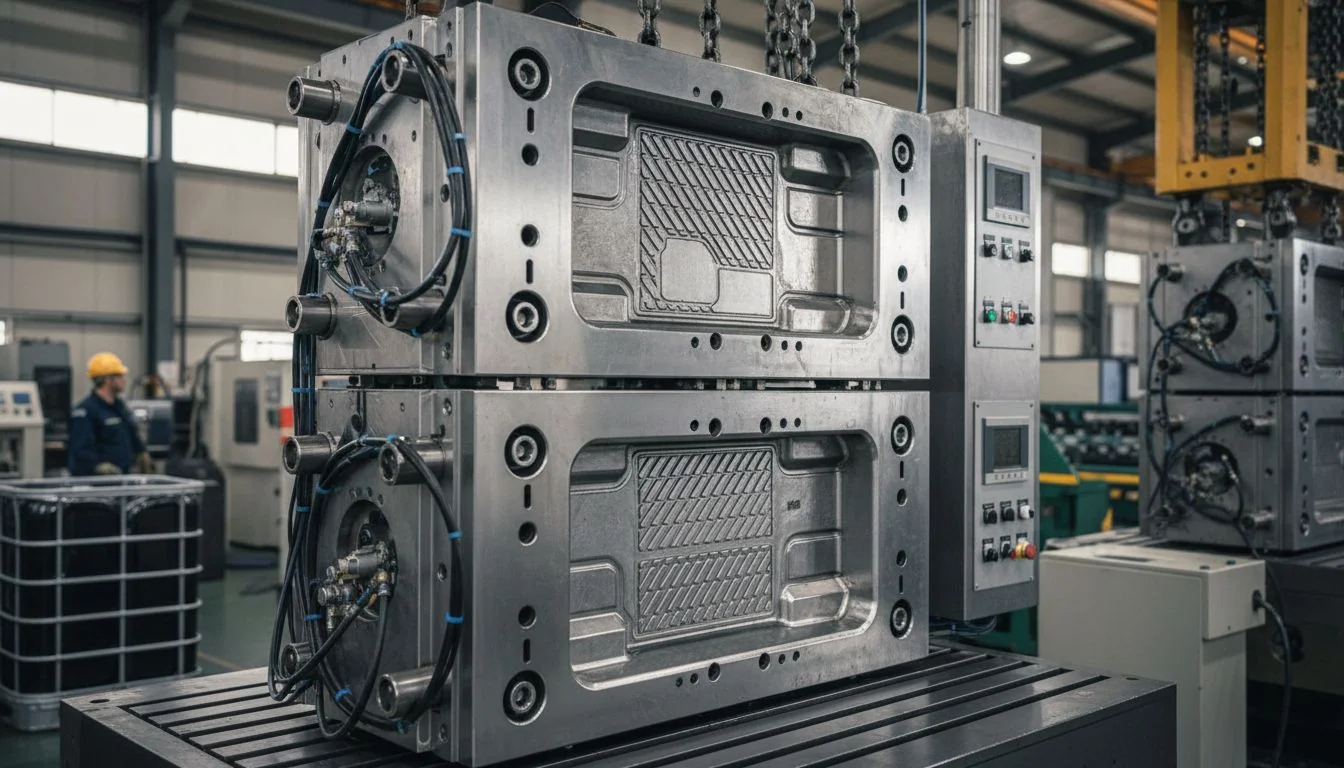
To understand a trunk mat, you must look at it as an engineer. It is not just a sheet of plastic. It is a complex part that requires precise mold design. In the past, we used heavy rubber. It smelled bad and was heavy. Today, we use TPE (Thermoplastic Elastomer) or TPO (Thermoplastic Olefin). These materials are like rubber but process like plastic. This is great for injection molding[^4].
There are two main ways to make these. You can use injection molding or blister forming (thermoforming[^5]).
Injection Molding vs. Thermoforming
When I advise clients, I ask about their volume. If you need high volume, go with injection molding. The mold cost is high, but the unit price is low. The detail is also better. You can add complex ribs and logos. If you have low volume, use thermoforming. The mold is cheap, but the material sheet is expensive.
Material Breakdown
Here is a simple comparison for you to use in your next design meeting:
| Feature | TPE (Injection) | TPO (Thermoforming) | PVC/Rubber (Old Style) |
|---|---|---|---|
| Precision | High | Medium | Low |
| Mold Cost | High | Low | Medium |
| Piż | Light | Light | Heavy |
| Smell | Odorless | Low Odor | Strong Odor |
| Texture | Complex 3D | Simple | Simple |
As a designer, you must choose TPE for the best quality. It allows for "undercuts" in the mold design[^6]. This means you can make clips or high walls that lock into the car. This is impossible with simple thermoforming.
Injection molding is cheaper for small batches.False
Injection molds are expensive; they are cost-effective only for large quantities.
TPE materials are recyclable.True
Thermoplastic elastomers can be melted down and reused, unlike cured rubber.
Why Should Manufacturers Invest in High-Quality Trunk Mats?
Cheap mats fail quickly. Your clients complain about smell and deformation. You need a better reason to upgrade your production line.
High-quality mats offer superior durability, odorless properties, and all-weather protection. For manufacturers, using premium TPE materials increases brand reputation. It allows for complex designs that rigid plastics cannot achieve, providing a premium feel that end-users value highly in the automotive market.
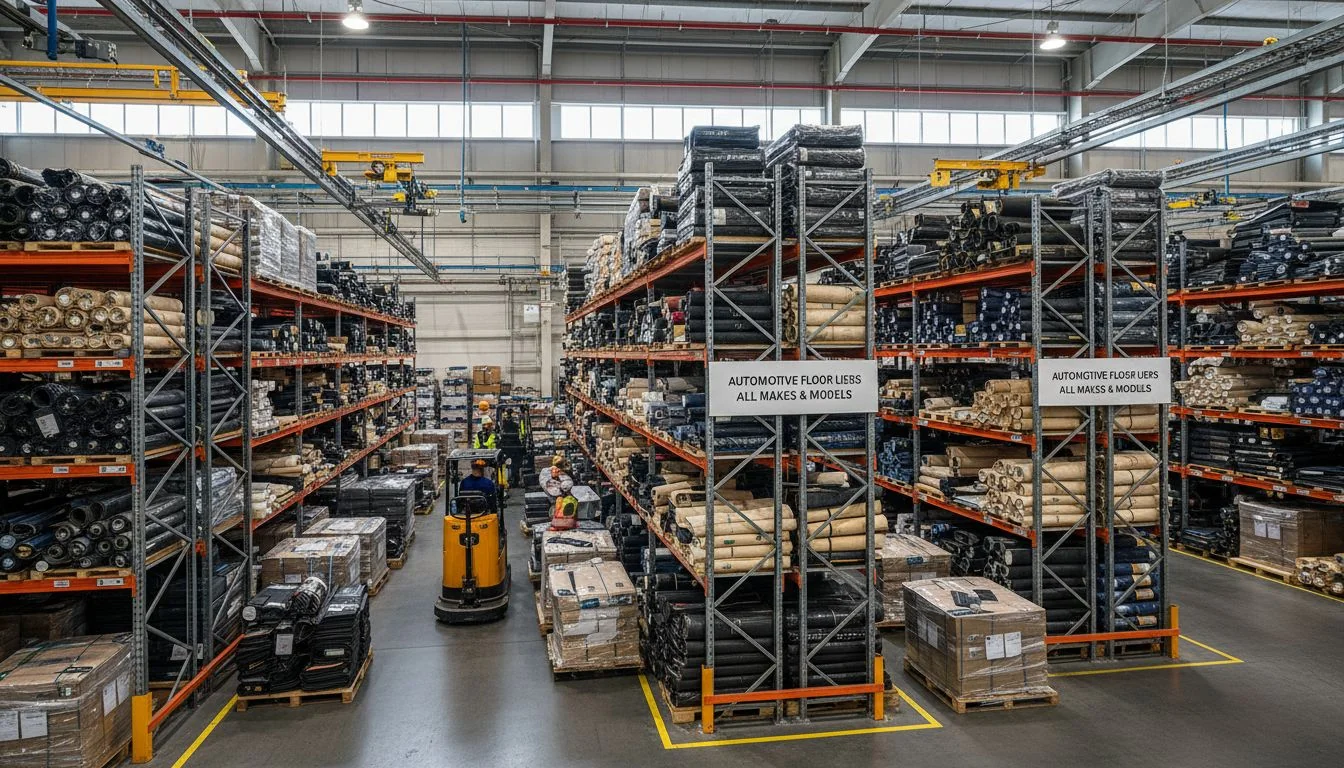
I have seen many businesses fail because they ran out of stock. In the mold industry, lead time is everything. This brings me to a key insight: ordering from a China manufacturer allows you to stock fully.
The Economics of Stocking
Why do I say this? Manufacturing in China lowers your initial mold investment. A large injection mold for a trunk mat is expensive. It is a big block of steel. In North America, this might cost $50,000. In China, it might be $20,000. This saving is huge. You can use that extra money to buy more raw material. You can fill your warehouse.
Design Flexibility and Market Demand
When you have lower mold costs, you can take risks. You can design mats for more car models. Jacky, I know you face tight deadlines. If you work with a partner who can build molds fast, you win. You can launch a mat for the new Tesla or Ford before anyone else.
Functional Benefits for the User
From a design perspective, a good mat solves problems.
- Anti-slip: You design textures to stop bags from sliding.
- Waterproof: You design a high lip (2-3 cm) to hold spilled coffee.
- Sigurtà: You design anchors so the mat does not slide under the pedals (for floor mats).
When you control the manufacturing source, you control these features. You do not have to accept generic designs. You can make the best product on the market.
China manufacturing always means lower quality.False
With the right specifications and oversight, China offers high-quality manufacturing at lower costs.
High inventory levels reduce shipping delays.True
Having stock on hand ensures you can fulfill customer orders immediately.
How Can You Control Quality During the Molding Process?
Defects ruin profit margins. Flash and warpage[^7] are nightmares for large parts. You must stop them early in the design phase.
quality control[^8] starts with mold flow analysis to predict warpage. During production, monitor injection pressure and cooling time strictly. Check the raw material for moisture content before processing. Finally, perform fitment tests on actual vehicle bucks to ensure the 3D data matches reality.
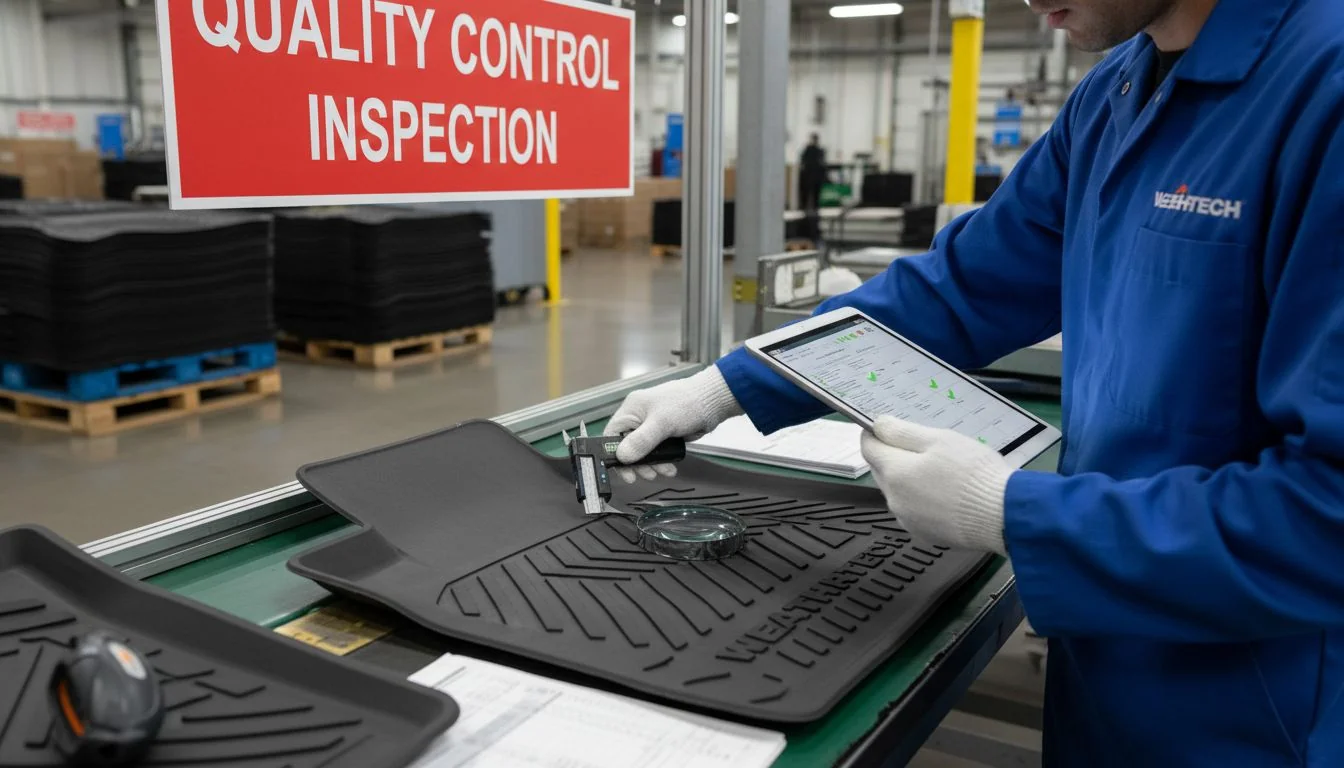
Controlling quality is where your engineering degree shines. A trunk mat is a large, flat part. In the mold world, large and flat equals trouble. The biggest enemy is warpage.
Managing Warpage and Shrinkage
When plastic cools, it shrinks. If it cools unevenly, it bends. I have seen mats that look like potato chips. To stop this, you need good cooling channel design.
- Cooling Lines: Ensure water lines in the mold are balanced. The core and cavity must cool at the same rate.
- Gate Location: Where does the plastic enter? For a mat, we often use a hot runner system with multiple gates. This reduces pressure loss. It fills the part evenly.
Surface Finish and Flash
Flash is that ugly thin plastic on the edge. It happens when the mold does not close tight enough.
- Clamp Force: These molds are big. You need a machine with high clamping tonnage. If the machine is too small, the mold opens slightly, and flash appears.
- Texture: You want a nice grain texture. This is etched into the steel. If the draft angle (the slope of the wall) is too small, the texture will drag. It will look like scratches. For TPE, I recommend at least 3 degrees of draft for heavy textures.
The Fitment Test
The final test is the car itself. Sometimes, the CAD data from the car maker is slightly off. Or the carpet in the real car is thicker than in the computer model.
- Test Shot: Make the first sample (T1).
- Install: Put it in a real car.
- Check Gaps: Look for gaps along the wall.
- Modify: If there is a gap, we weld steel to the mold and cut it again. This is "safe steel." We leave extra metal on the mold initially so we can remove it later to make the part bigger.
Warpage is caused by uneven cooling.True
If one side of the part cools faster than the other, internal stresses cause it to bend.
You can fix all defects by increasing injection pressure.False
Too much pressure can cause flash and burn marks; the process must be balanced.
Konklużjoni
To succeed, you must choose the right material and control the mold design. Stock fully to meet demand. Focus on cooling and fitment to ensure quality.
References
[^1]: Material costs directly impact the pricing and quality of automotive accessories, influencing market competitiveness.
[^2]: TPE is a versatile material that offers durability and flexibility, making it ideal for high-quality automotive accessories.
[^3]: 3D scanning technology enhances precision in automotive design, ensuring parts fit perfectly.
[^4]: Understanding injection molding is crucial for producing precise and complex automotive parts efficiently.
[^5]: Thermoforming is a cost-effective method for creating lightweight automotive parts, essential for modern designs.
[^6]: Effective mold design is key to producing high-quality automotive parts with minimal defects.
[^7]: Understanding warpage is essential for maintaining the integrity of automotive parts during production.
[^8]: Implementing quality control measures ensures that automotive parts meet safety and performance standards.