
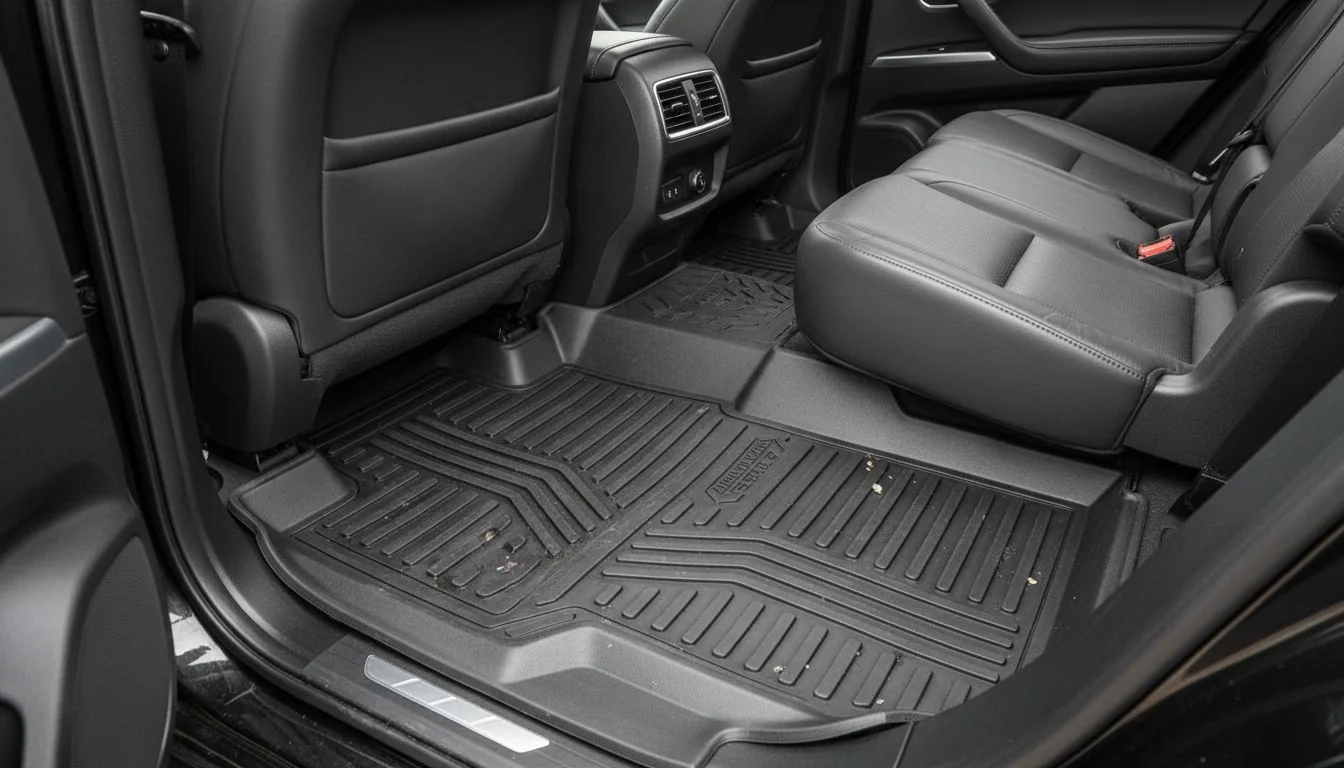
Your vehicle's interior faces constant abuse from mud, snow, and spills. Ignoring this leads to permanent damage and bad smells. heavy-duty rear floor mats[^1] are the essential defense you need.
A heavy-duty rear floor mat is a rugged vehicle accessory designed to protect the back row carpeting. Typically made from TPE[^2] or rubber, these mats feature deep channels to trap debris and liquids. For designers, the key lies in selecting durable materials and ensuring precise mold fitment.
Transition Paragraph:
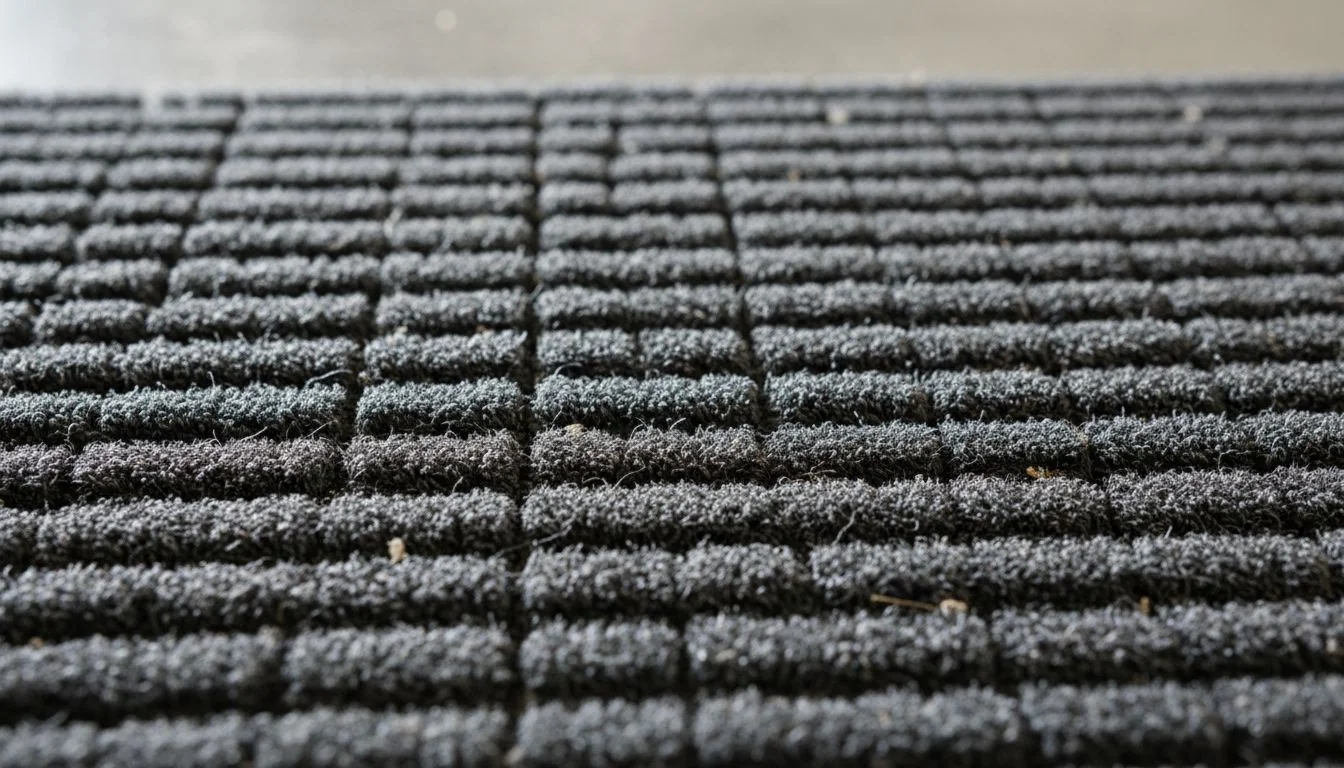
Many people think all car mats are the same. I used to think that too when I started working in the mold factory years ago. But the difference between a cheap mat and a quality one is huge. A bad design can slide around or crack in the cold. A good design protects the car and lasts for years. Let me explain the details of these mats, from design to manufacturing.
All floor mats are made from the same rubber material.False
Mats vary significantly, using materials like PVC, Rubber, and TPE, each with different properties.
Heavy duty mats are designed to trap water and dirt.True
They feature raised edges and deep channels specifically to contain spills and debris.
What Exactly Is a Heavy Duty Rear Floor Mat?
leading paragraph:
Confused by the different material options available? Choosing the wrong plastic ruins the product's performance. Let’s define exactly what makes a floor mat truly "heavy duty."
It is a thick, molded protective layer designed for the back row of vehicles. Unlike fabric mats, these use polymers like TPE or TPV to resist water and abrasion. They feature deep channels[^3] to trap debris and anti-slip backings for safety.
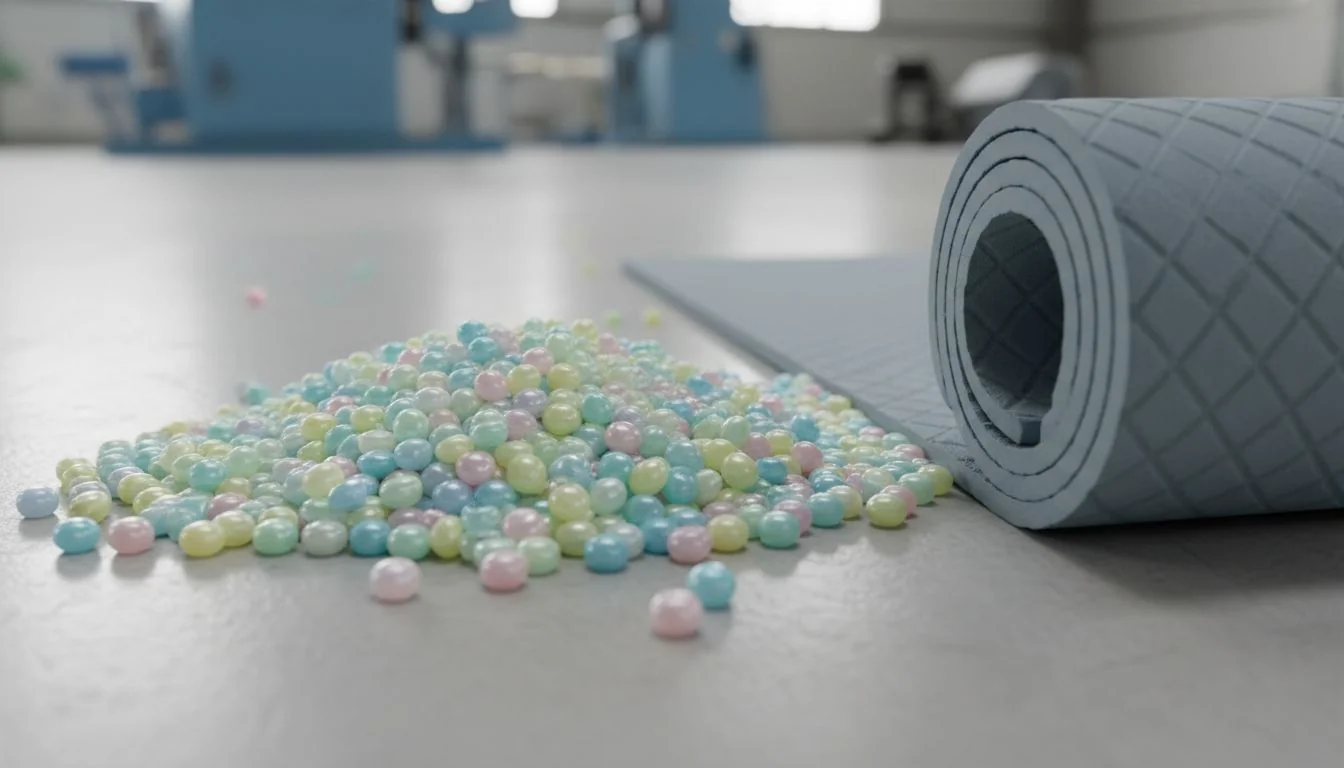
When we talk about heavy-duty mats, we are really talking about material science and mold design[^4]. In my experience with mold manufacturing, the best mats today are made from TPE (Thermoplastic Elastomer). This material is like a bridge between rubber and plastic. It is flexible like rubber but processes like plastic in an injection molding machine. This is important for you, Jacky, because it affects how you design the mold.
Old mats were often made of PVC or heavy rubber. PVC smells bad in hot weather and cracks in cold Canadian winters. Rubber is very heavy and expensive to ship. TPE is lightweight, odorless, and holds its shape well. When designing these, you must look at the "3D scan" of the car floor. The mat must fit the contours perfectly.
Key Material Differences
| Feature | TPE (Thermoplastic Elastomer) | PVC (Polyvinyl Chloride) | Rubber |
|---|---|---|---|
| Težina | Light | Medium | Heavy |
| Smell | Odorless | Strong Chemical Smell | Rubber Smell |
| cold resistance[^5] | Excellent (remains flexible) | Poor (cracks) | Good |
| recyclability[^6] | 100% Recyclable | Difficult | Difficult |
As a designer, you also need to think about the "wall thickness." If the mat is too thin, it will curl at the edges. If it is too thick, you waste material and increase the cycle time in the injection machine. I usually recommend a thickness between 2.5mm and 3.5mm for the main body. This gives enough strength without wasting money.
TPE mats release toxic fumes in high heat.False
High-quality TPE is stable and odorless, unlike PVC which can off-gas in heat.
Injection molding is a common method for making TPE mats.True
TPE can be processed using standard injection molding machinery, allowing for high production rates.
Why Should You Use Heavy Duty Rear Floor Mats?
Standard carpet mats fail quickly under wet conditions. This leads to customer complaints and product returns. You need a solution that withstands real-world punishment and protects the vehicle.
These mats offer superior protection against snow, mud, and spills, preserving the vehicle's resale value. For manufacturers, offering high-quality mats builds brand trust. They are easier to clean and last much longer than carpeted alternatives.
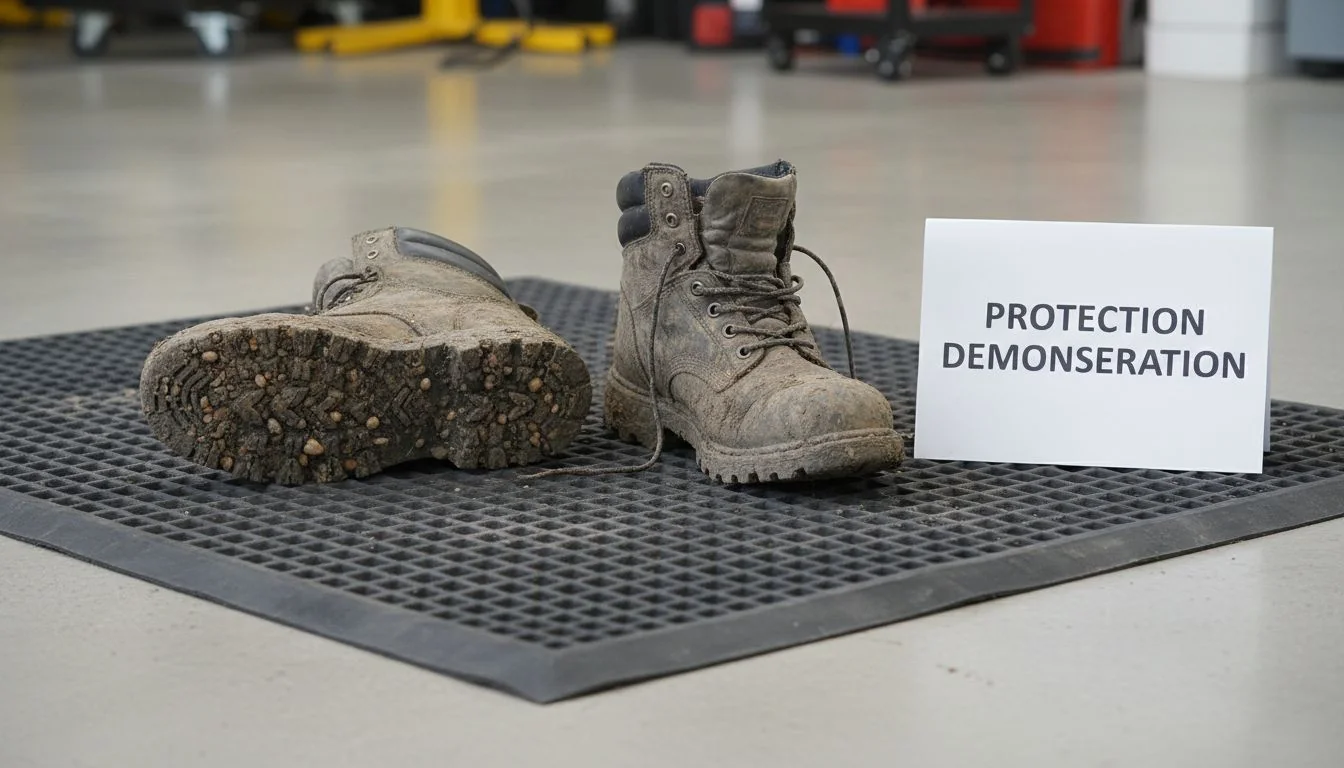
Why do we go through the trouble of designing complex molds for these mats? The answer is market demand and asset protection. For the end-user, a car is a big investment. In places like Canada, snow and salt can destroy a car's original carpet in one winter. A heavy-duty mat acts as a barrier. It stops the salt water from reaching the metal floor pan, which prevents rust.
From a business perspective, this is a great product to stock. I often tell my clients to order from China manufacturers to stock fully. The unit cost in China is low because the supply chain for TPE and mold steel is very mature there. Since these mats do not expire, you can order a large container load to get the best price.
Business and Functional Benefits
- inventory stability[^7]: Unlike electronics, floor mats do not become obsolete quickly. A mat for a 2020 model is still useful in 2025.
- High Perceived Value: Customers see a thick, custom-fit mat and feel it is a premium upgrade.
- Safety: A good design includes a retention system[^8]. This stops the mat from sliding under the driver's pedals or moving around in the rear.
When I started my trading company, I noticed that clients who stocked up on these "wear and tear" items had better cash flow. They bought low from the factory and sold with a good margin. For a designer like you, knowing the commercial value helps you justify the cost of a high-quality mold. You are not just designing a part; you are designing a product that sells well.
Floor mats can prevent rust on the vehicle floor pan.True
By trapping salt water and moisture, they prevent liquid from seeping into the carpet and metal below.
Floor mats have a short shelf life and expire quickly.False
TPE and rubber mats are durable goods that do not spoil, making them safe to stock in large quantities.
How Do You Control the Quality of These Mats?
Poor quality molds lead to flash, warping, and bad smells. This destroys your profit margin and reputation. You must implement strict quality control[^9] measures immediately.
Quality control starts with the mold design and steel selection. You must check for uniform wall thickness, proper gate location, and material consistency. Inspect the final product for flash, smell, and fitment accuracy on the actual vehicle floor.
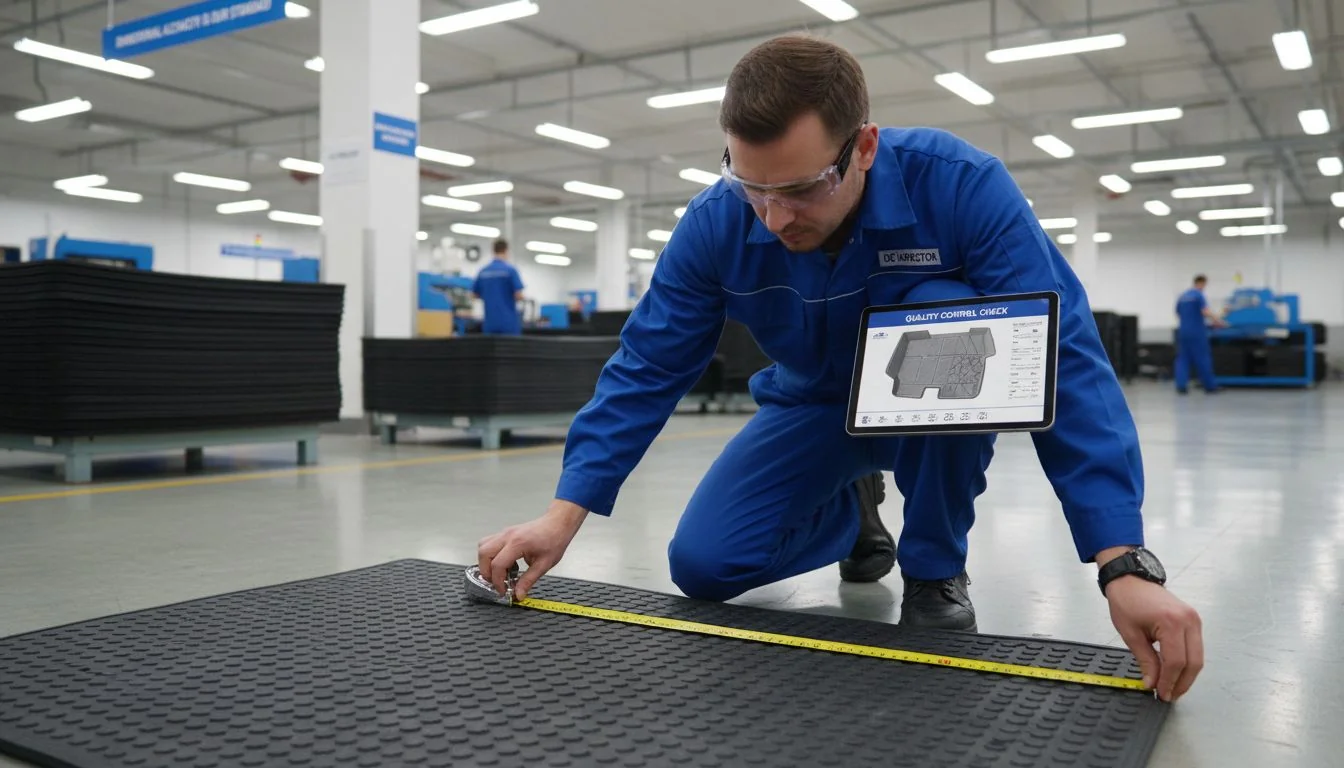
Controlling quality is where my background in the mold factory really helps. You cannot just look at the final mat; you have to look at the process. The first step is the mold steel. For high-volume production, I always recommend P20 or 718 steel. If the steel is too soft, the mold parting line will wear out. This causes "flash," which is extra plastic on the edges. Flash looks cheap and requires manual labor to trim.
Sledeći, you must look at the "shrinkage rate." TPE shrinks as it cools. If you calculate this wrong in the design phase, the mat will be too small for the car. Jacky, I know you deal with shrinkage calculations often. For TPE, the shrinkage is usually around 1.5% to 2.0%, but it depends on the specific grade. You must test the material before cutting the steel.
Quality Control Checklist
- Visual Inspection: Look for sink marks (dents) in thick areas. This happens if the cooling time is too short.
- Smell Test: Put the mat in a box and heat it to 50°C. If it smells like chemicals, the material is bad.
- Fitment Test: Install the mat in the actual vehicle. Check the gaps. A gap larger than 3mm is usually a failure.
- Weight Check: If the mat is lighter than the sample, the manufacturer might be using too much filler or blowing agent.
When you order from a China manufacturer, always ask for "T1 samples" (the first trial run). Do not approve mass production until you check the fitment yourself. I have seen many projects fail because the designer trusted a photo instead of holding the part. Quality control is about being strict with the details.
Flash on a molded part is a sign of a high-quality mold.False
Flash indicates mold wear, poor clamping pressure, or bad processing parameters.
Material shrinkage must be calculated before making the mold.True
If shrinkage is ignored, the final product will be smaller than the design dimensions.
Conclusion
Heavy-duty rear floor mats require precise mold design and smart material choices like TPE. By sourcing wisely from China and strictly controlling mold quality, you ensure a durable, profitable product.
References
[^1]: Explore how heavy-duty rear floor mats protect your vehicle's interior from damage and enhance its resale value.
[^2]: Learn about TPE's advantages over traditional materials like PVC and rubber in automotive applications.
[^3]: Find out how deep channels help trap debris and liquids, enhancing the effectiveness of floor mats.
[^4]: Understand the critical role of mold design in producing high-quality, durable floor mats.
[^5]: Explore the importance of cold resistance in maintaining the integrity of floor mats in harsh climates.
[^6]: Investigate the recyclability of different floor mat materials and their environmental impact.
[^7]: Understand how inventory stability can benefit businesses in the automotive accessory market.
[^8]: Learn about the significance of retention systems in preventing floor mats from sliding during use.
[^9]: Discover essential quality control measures to ensure the durability and performance of floor mats.