

Struggling to find durable, customizable car mats for your Tesla product line? Generic options fail to impress customers. Here is how PVC molding[^1] solves your design and branding headaches.
GM PVC car mats for Tesla offer superior durability and limitless customization options. By leveraging Chinese manufacturing[^2], you can create precise molds that fit all models, ensuring a waterproof, anti-slip surface. This material allows for vibrant colors and unique branding at a cost-effective price point for mass production.

Many designers overlook PVC because they think it looks cheap or is hard to work with. That is a mistake. In my years running a mold factory and trading company, I have seen PVC transform businesses. I have helped clients move from expensive rubber to PVC, saving costs while improving quality. Let me show you exactly how to master this material for your next project.
Generate Claims
PVC mats are less durable than TPE mats.False
PVC is generally heavier and more resistant to wear and tear compared to lightweight TPE.
You can produce PVC mats in any color.True
PVC compounds can be mixed with any pigment during the manufacturing process to achieve specific Pantone colors.
How to custom your Tesla mats effectively?
You want a specific texture or shape, but standard molds limit your creativity. You need a way to make your design fit perfectly without high costs.
Customizing PVC mats involves 3D scanning[^3] the Tesla floor plan for precision. You then design the mold cavity to include specific ribbing or logos. Chinese manufacturers can adjust the PVC compound hardness and color to match your exact design specifications, ensuring a perfect fit for any model.
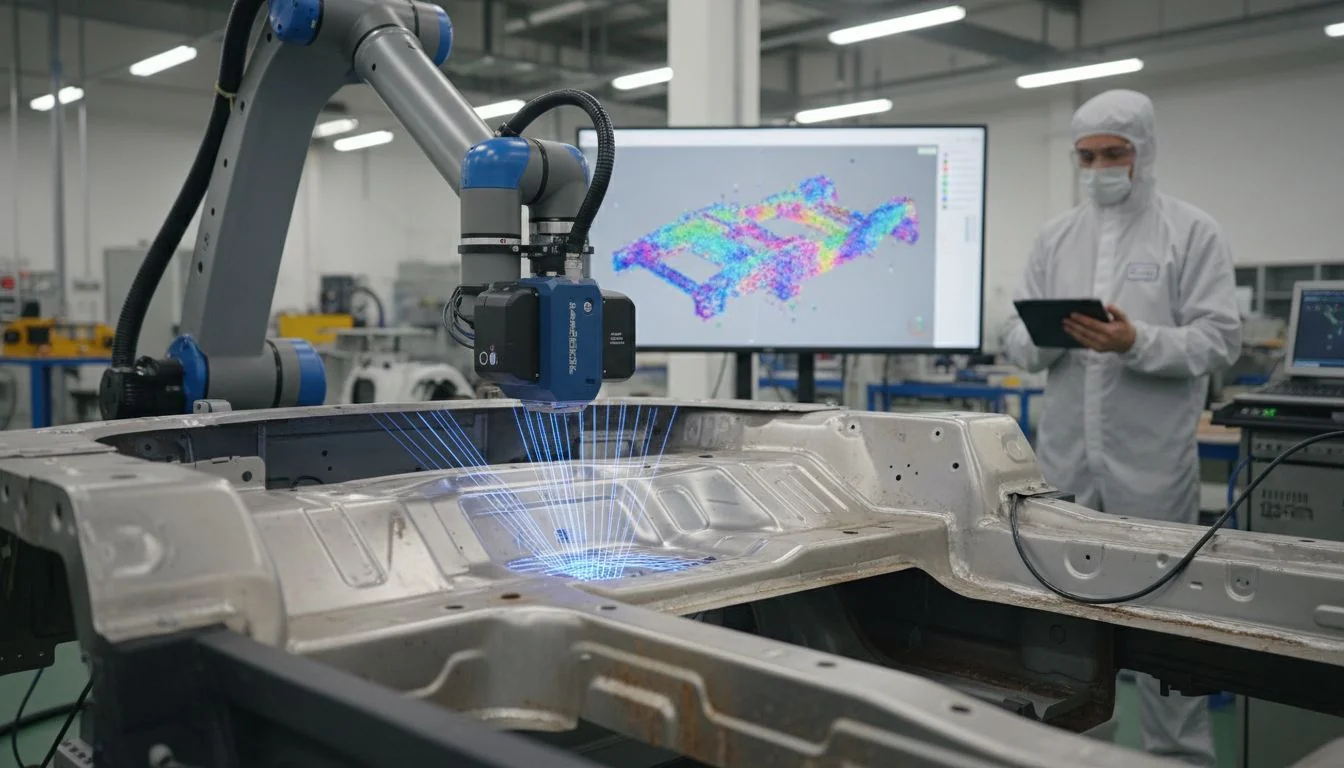
When I first started in the mold industry, customization was a headache. Now, it is the standard. For Jacky, as a designer, you know that fit is everything. To custom make these mats, we start with reverse engineering. We use a handheld 3D scanner to map the Tesla's floor. This gives us a point cloud data set. We convert this into a CAD file.
Once we have the CAD, we design the mold. For PVC, we usually use P20 steel[^4] for the mold base. It is durable enough for high volume but not as expensive as hardened steel. You need to pay attention to the shrinkage rate. PVC shrinks. Usually, the rate is between 1% to 2%, depending on the hardness. You must calculate this before cutting the steel.
The beauty of working with a Chinese manufacturer is the flexibility. We can modify the mold flow to ensure the PVC fills the deep ribs of the mat without air traps. We can also adjust the "Shore A" hardness of the material. If you want a soft feel, we lower the hardness. If you want a rugged mat, we increase it. This level of control allows you to create a product that feels bespoke, not generic.
Key Customization Steps
| Step | Action | Technical Note |
|---|---|---|
| 1 | 3D Scanning | Ensure tolerance is within 0.5mm. |
| 2 | CAD Design | Add draft angles for easy ejection. |
| 3 | Mold Flow Analysis | Check for potential sink marks. |
| 4 | Sampling (T1) | Test fit in actual vehicle. |
Generate Claims
PVC shrinkage rates are negligible in mold design.False
PVC has a significant shrinkage rate (1-2%) that must be calculated to ensure the final product fits the car floor.
P20 steel is a common choice for PVC molds.True
P20 offers a good balance of durability and cost for non-abrasive plastics like PVC.
How to make your brand unique through molding?
Your competitors all sell the same black mats. You need to stand out on the shelf. Branding is more than just a sticker; it is in the mold.
Brand uniqueness comes from mold texturing[^5] and insert molding. You can integrate your logo directly into the mat surface using raised or recessed tooling. Additionally, using multi-colored injection processes allows for contrasting borders or accents that define your brand identity and prevent counterfeiting.

I remember a client who was selling generic mats. He was losing a price war. I told him, "Put your name in the steel." We modified his mold to include a large, raised logo in the center of the mat. Sales went up immediately. For you, Jacky, this is about using your CAD skills to create visual identity.
There are two main ways to do this. First is physical texture. We can use chemical etching or laser texturing on the mold cavity. This creates patterns like carbon fiber, leather grain, or geometric shapes on the PVC surface. It looks premium and hides scratches.
The second method is color integration[^6]. You can design the mold for a two-step process. We inject the main black body first. Then, we place a colored PVC insert or use a second injection unit to add a red border or a white logo. This is not paint. Paint peels off. This is colored plastic fused with the mat. It lasts forever.
Also, consider the underside of the mat. Design aggressive "nibs" or spikes in the mold. These grip the car carpet. A unique grip pattern can be a selling point. It shows you thought about safety. These details make your brand look like a serious engineering firm, not just a reseller.
Branding Techniques in Molding
| Technique | Description | Benefit |
|---|---|---|
| Laser Texturing | Burning patterns into mold steel. | High precision, premium look. |
| Insert Molding | Placing pre-made logos in mold. | Multi-color capability. |
| Embossing | Raised lettering in the cavity. | Permanent branding, no fading. |
Generate Claims
Painted logos are better than molded logos for floor mats.False
Painted logos wear off under foot traffic; molded logos are permanent and part of the material.
Laser texturing can simulate leather grain on PVC.True
Laser technology can etch very fine details into the mold steel to replicate natural textures.
What to know in packaging for heavy PVC?
Great products get damaged or ignored if the packaging is weak. PVC is heavy and can warp. You need a strategy to get it to the customer safely.
packaging for heavy PVC[^7] mats requires robust materials to prevent deformation during shipping. Use custom-cut cardboard boxes with support inserts to maintain the mat's shape. Clear labeling with installation instructions enhances the user experience and reduces returns due to confusion.
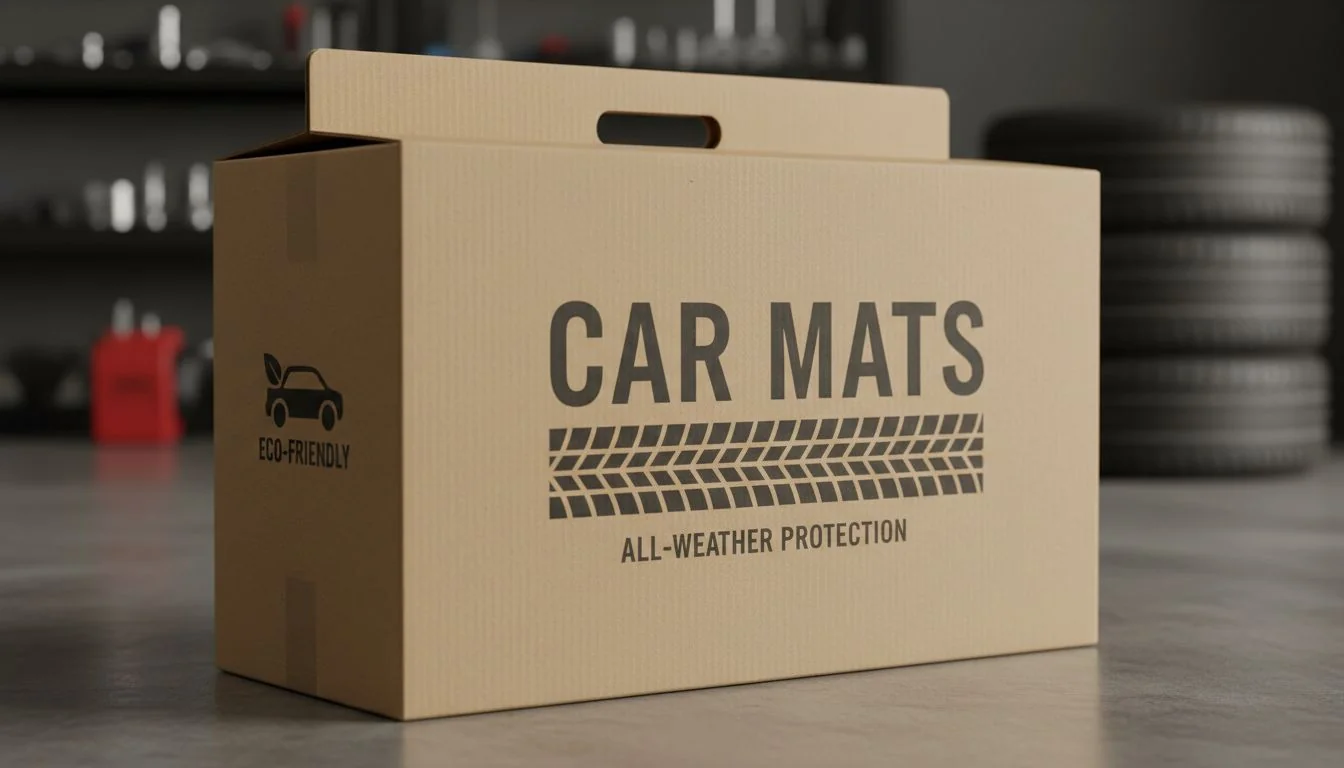
Packaging is often an afterthought for designers. But for PVC, it is critical. PVC has "memory." If you fold it tightly into a small box and ship it across the ocean in a hot container, it will arrive bent. It might take days to flatten out. This leads to bad reviews.
I advise my clients to use flat packaging whenever possible. If you must roll them, use a large diameter. We design the carton box to be rigid. We often use double-wall corrugated cardboard. Inside, we can use a simple paper mold or a plastic hanger to keep the mats in place.
Another trick is the "hang tag." Since these mats are for Tesla, the aesthetic should be clean. A simple, high-quality card attached with a plastic loop looks professional. It should show the car model clearly.
Also, think about the smell. Fresh PVC can smell like chemicals. I suggest adding a small ventilation hole in the plastic bag or the box. This lets the gas escape during the weeks of shipping. When the customer opens the box, the smell is gone. This small detail saves you from "bad smell" complaints.
Packaging Considerations
| Factor | Issue | Solution |
|---|---|---|
| Deformation | PVC warps in heat. | Flat pack or wide roll. |
| Weight | Heavy mats break boxes. | Double-wall cardboard. |
| Odor | Trapped chemical gas. | Ventilated poly bags. |
Generate Claims
PVC mats have no memory and can be folded without issue.False
PVC has plastic memory and can permanently warp if folded tightly for long periods, especially in heat.
Ventilation in packaging helps reduce PVC odor.True
Allowing air flow helps off-gas the volatile compounds from the manufacturing process before the customer opens it.
How does material comparing with other type work?
Is PVC really better than TPE or rubber? You need the facts to justify your choice. Let's break down the material science.
Compared to TPE or rubber, PVC offers the best balance of cost and durability. While TPE is lighter, PVC provides a heavier, more premium feel and better wear resistance. It is easier to clean and offers wider color options than standard rubber mats.

Jacky, you deal with material selection every day. You know there is no "perfect" material, only the right one for the job. Let's look at the big three: PVC, TPE, and Rubber.
Rubber is the traditional choice. It is grippy and durable. But, it is expensive to mold. The cycle times are long because rubber needs to vulcanize. It also smells strong and limits you to black or grey colors mostly.
TPE (Thermoplastic Elastomer) is popular now. It is light and eco-friendly. It processes fast in injection molding. However, it can feel "cheap" or plasticky. It lacks the heavy weight that some luxury car owners prefer. They want the mat to stay down by its own weight.
PVC (Polyvinyl Chloride) sits in the middle. It is heavier than TPE, giving it a quality feel. It is much cheaper than rubber. The molding cycle is fast, which lowers your unit cost. It is also highly resistant to chemicals, oil, and salt. This is vital for Canadian winters where you live. The downside is it can get stiff in extreme cold, but modern compounds have improved this significantly.
Material Comparison Table
| Feature | PVC | TPE | Rubber |
|---|---|---|---|
| Cost | Low | Medium | High |
| Weight | Heavy | Light | Heavy |
| Color Options | Unlimited | High | Limited |
| Cold Resistance | Good (with additives) | Excellent | Excellent |
| Molding Speed | Fast | Fast | Slow |
Generate Claims
Rubber has a faster molding cycle than PVC.False
Rubber requires vulcanization which takes time; PVC is a thermoplastic and cools quickly, allowing for faster cycles.
PVC is resistant to oil and salt.True
PVC's chemical structure makes it highly resistant to road salts and oils, making it ideal for car mats.
Conclusion
PVC car mats offer a perfect blend of durability, design flexibility, and cost efficiency. By controlling the mold design, texture, and packaging, you can build a unique, high-quality brand.
References
[^1]: Explore how PVC molding can enhance durability and customization for car mats.
[^2]: Discover the benefits of leveraging Chinese manufacturing for cost-effective and precise car mat production.
[^3]: Understand the role of 3D scanning in achieving precision in car mat mold design.
[^4]: Find out why P20 steel is a popular choice for creating durable and cost-effective molds.
[^5]: Explore how mold texturing can elevate your brand identity through unique designs.
[^6]: Learn about the methods to incorporate vibrant colors into PVC mats for enhanced appeal.
[^7]: Learn effective packaging strategies to ensure the safe delivery of heavy PVC mats.